
Understanding Digital Work Analytics
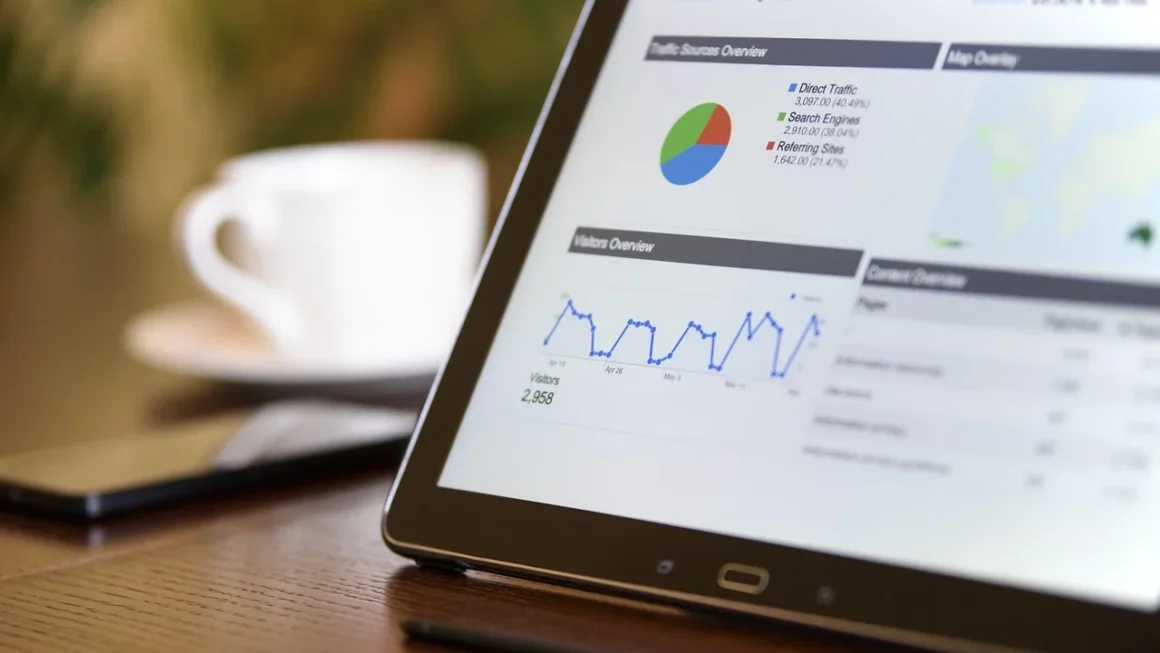
In today’s digital landscape, work analytics plays a crucial role in enhancing productivity and ensuring efficient workflow among online workers. Digital work analytics refers to the systematic collection and analysis of data related to work performance, productivity, and employee engagement across digital platforms. By utilizing various data analytics tools, organizations can gain valuable insights that help optimize processes and enhance overall effectiveness.
Importance of Digital Work Analytics
-
Data-Driven Decisions: Organizations can make informed decisions based on quantifiable data rather than subjective opinions. This leads to better resource allocation and strategic planning.
-
Performance Tracking: Analytic tools allow businesses to monitor individual and team performance continuously. This helps identify trends, strengths, and areas needing improvement.
-
Engagement Metrics: Digital work analytics can provide insights into employee engagement levels. High engagement is often correlated with higher productivity and lower turnover rates.
- Operational Efficiency: By analyzing workflows, organizations can identify bottlenecks and redundancies that may exist. This information is vital for streamlining processes and enhancing operational efficiency.
Key Components of Digital Work Analytics
-
Data Collection Tools: Various software solutions assist in capturing relevant data automatically. Tools like Toggl, Hubstaff, and Time Doctor are popular for time tracking, while productivity tools like Microsoft Teams and Slack offer usage analytics.
-
Performance Metrics: Organizations must define key performance indicators (KPIs) based on their operational goals. Common metrics include project completion rates, time spent on tasks, and employee engagement scores.
-
Visualization Techniques: Data analytics is most effective when the data is presented visually. Tools like Tableau or Google Data Studio can convert raw data into insightful dashboards, enabling users to grasp information quickly.
- Feedback Mechanisms: Implementing feedback systems through surveys or one-on-one check-ins allows organizations to gather qualitative data that complements quantitative analytics.
The Implementation Process
1. Define Objectives: Before diving into analytics, organizations must clearly outline what they hope to achieve. Whether it’s enhancing productivity, improving employee satisfaction, or optimizing project timelines, having clear goals makes it easier to decide which metrics to track.
2. Select the Right Tools: There is a plethora of digital analytics tools available. Selecting the right combination of tools is essential for comprehensive data gathering. Some organizations may also choose to develop proprietary tools tailored to their specific needs.
3. Train Employees: Training is critical. Employees should be educated on the tools and techniques used in data analytics, ensuring they are comfortable with the systems in place. This increases compliance and encourages a culture of transparency and accountability.
4. Collect Data Methodically: Consistency is key in data collection. Establishing regular intervals for data capture helps maintain the integrity of the analytics process. For instance, weekly data reviews can highlight immediate challenges and successes.
Analyzing Data Effectively
Identification of Patterns: Utilize statistical methods to uncover trends and patterns that can aid in decision-making. Machine learning algorithms can also assist in making predictions based on historical data.
Segmentation of Data: Breaking down data into categories allows for more granular analysis. Analyze data by team, project, and individual levels to identify specific areas of improvement or success.
Benchmarking: Comparing data against industry standards or historical company performance can provide valuable context to the analytics findings. Organizations can set realistic targets and evaluate their standings relative to peers.
Benefits of Digital Work Analytics
-
Enhanced Productivity: Continuous performance tracking helps identify peak productivity times and streamline workflows to better align with employee strengths.
-
Improved Employee Morale: Showing employees their contributions and recognizing areas where they excel can boost morale and engagement. Analytics provide solid data to support positive reinforcement strategies.
-
Data-Driven Culture: Promoting a culture where decisions are backed by data encourages innovation and reduces reliance on gut feelings. A data-driven culture often leads to better outcomes and stronger business performance.
- Refined Recruitment Processes: Analyzing employee performance data can reveal traits and skills associated with high-performing employees, helping organizations refine their hiring processes for future roles.
Best Practices for Utilizing Digital Work Analytics
-
Regular Reviews of Metrics: Regularly analyzing performance data not only helps catch potential issues early but also enables organizations to recognize trends over time.
-
Encourage Transparency: Share analytics findings with employees to promote transparency and encourage buy-in. When employees understand the importance of analytics, they may be more inclined to engage with and utilize the data effectively.
-
Iterative Approach: Analytics is not a one-time effort. Organizations should revisit their objectives periodically to ensure the analytics strategy remains aligned with evolving business goals.
- Stay Updated: The field of work analytics is continually evolving, with new tools, methodologies, and theories emerging. Keeping abreast of trends can help organizations stay efficient and effective.
Common Challenges and Solutions
-
Data Overload: Organizations may collect vast amounts of data that can lead to analysis paralysis. Focusing on key metrics and prioritizing them helps mitigate this issue.
-
Resistance to Change: Some employees may resist the adoption of analytics tools. Combating this requires robust training programs and clear communication about the benefits of data analytics.
- Privacy Concerns: Employees may worry about how their data is used. It is essential to communicate clearly about data usage policies and ensure compliance with legal standards concerning privacy.
Conclusion of Digital Work Analytics
Using digital work analytics effectively can revolutionize how online workers perform their jobs. By embracing data-driven practices, organizations can unlock hidden potential within their teams, paving the way for enhanced productivity and a dynamic work environment. Investing in the right tools and fostering a culture of data-driven decisions ensures that businesses remain competitive in an increasingly digital world.